




So much of the Mediterranean now can seem a bit overdone when it comes to holiday travel—every beach club packed with people taking the same photo, every restaurant feeling like it was designed purely for Instagram. But Montenegro still feels fresh and ready to be discovered. Yes, it’s definitely becoming more popular, and the luxury hotels and superyachts are very much there—and yet it remains a far less polished and over-commercialized destination compared to a lot of Europe. There’s something much more relaxed and authentic about it—and that’s what continues to make it so special.
One minute you’re driving through dramatic mountain roads that look like something out of a Bond film; the next you’re swimming in impossibly clear water beside medieval stone towns where laundry still hangs from windows above tiny alleyways. It’s glamorous and rugged at the same time – a little bit Italian Riviera, a little bit Croatia 15 years ago, but with its own completely distinct personality.
What surprised me most is how varied it is for such a small country. Within one day you can move from chic marinas and luxury beach clubs to national parks, ancient churches, remote villages, and winding mountain roads. And perhaps most importantly for families, it’s manageable. Distances are short, days feel slower, and there’s enough variety to keep everyone happy without constantly moving hotels.
WHERE TO BASE YOURSELF
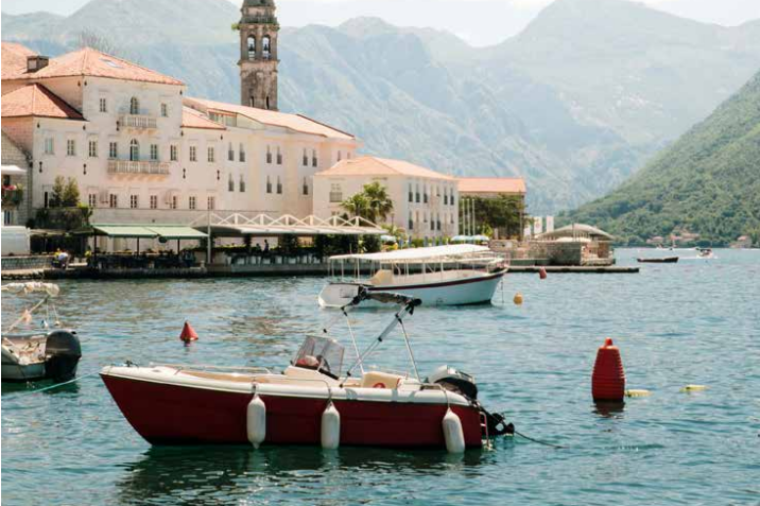
For first-time visitors, the Bay of Kotor region is the obvious place to start—and for good reason. The coastline here is extraordinary. Fjord-like bays wrapped in mountains, tiny stone villages, terracotta rooftops, and water so still in the mornings it almost looks fake. Portonovi is one of the newer luxury marina developments and makes an excellent base, particularly for families. Beyond the hotels, there’s a lovely promenade lined with restaurants, cafés, and boutiques, all overlooking the marina.
TOWNS WORTH VISITING
Kotor: The obvious one, but still worth it. The Old Town is genuinely beautiful—all narrow stone alleyways, tiny wine bars, churches, and hidden squares. It can get very busy when cruise ships are in, so go early if you can. The hike up to San Giovanni Fortress is hard work in the heat, but the views over the bay are incredible—cable cars are now also an option if you want to take the easy route.
Perast: Probably the prettiest town in Montenegro. It’s the sort of place where you end up staying far longer than planned just sitting by the water drinking wine. From here you can take the short boat ride to Our Lady of the Rocks.
Herceg Novi: Much greener and more local-feeling than some of the other towns around the bay. Lots of staircases, hidden courtyards, little cafés, and lovely sea views. It feels slightly less polished in a good way—more authentic and lived-in.
Budva: Montenegro’s more energetic side. Beach clubs, nightlife, yachts, and a much busier atmosphere overall. The Old Town is still beautiful, though, and definitely worth exploring. Great for dinner, drinks, and people watching.
Žabljak: Completely different from the coast and honestly one of the things that makes Montenegro so unique. Up in the mountains within Durmitor National Park, it’s all pine forests, lakes, hiking trails, and dramatic scenery. If you have time to venture inland, it gives you a completely different perspective on the country.
THE BOAT TRIPS ARE NON-NEGOTIABLE
If you go to Montenegro and don’t spend time on the water, you’re doing it wrong. One of the best things I did was take a private boat trip around the bay. Most hotels can organize them, and honestly, it ended up being a family day we will never forget. I visited the Blue Cave, where the sunlight turns the water electric blue inside the cave itself, explored the old Yugoslav submarine tunnels carved directly into the mountainside, and stopped at Our Lady of the Rocks. You can also do longer day trips out towards the open Adriatic, stopping at tiny beaches and fishing villages that are almost impossible to access by road.
THE BEACHES
Montenegro’s beaches are very different from somewhere like Greece or the Balearics. A lot of the coastline is pebbled or stone rather than soft sand, which actually gives the water that incredibly clear, glassy look the Adriatic is known for. Some beaches feel polished and glamorous; others feel completely wild and untouched.
One&Only Portonovi Beach: One of the best sandy beaches and ideal if you’re traveling with children.
Dobre Beach: This is a tiny beach only accessible by boat, which immediately makes it feel more special. Very quiet, very clear water, and surrounded by greenery and cliffs, and there is also a lovely relaxed seafood restaurant right on the beach that’s perfect for long lunches.
Plavi Horizonti: Probably one of the best sandy public beaches in Montenegro. Shallow water makes it great for families, and the surrounding pine forest gives it a much greener feel than some of the rockier beaches nearby.
Sveti Stefan Beaches: The coastline around Sveti Stefan is stunning—pinkish pebbles, turquoise water, and views of the famous island hotel, Aman Sveti Stefan. It feels very classic Montenegro and is probably one of the most photographed stretches of coastline in the country.
Jaz Beach: Closer to Budva and definitely livelier. Bigger, busier, and more energetic with beach bars, water sports, and music during summer. Good if you want more atmosphere rather than quiet relaxation.
Luštica Bay Beach: This beach is very polished and chic but still relaxed. A little harder to get to, it has coves, beach clubs, calm water, and a more modern marina feel.
SHOPPING
Montenegro is definitely more understated when it comes to shopping, which honestly felt quite refreshing. It’s much more about independent boutiques, resort wear, and artisan pieces than huge luxury malls.
Porto Montenegro: The most polished shopping destination in the country. Think luxury marina energy with designer boutiques, yacht culture, and beautiful waterfront cafés. You’ll find brands like Dior, Rolex, and Balenciaga alongside smaller resortwear and lifestyle stores.
Portonovi Marina: Smaller and quieter than Porto Montenegro but lovely for relaxed browsing. Good for beachwear, homeware, gifts, and little holiday purchases without feeling overly commercial.
A FEW PRACTICAL THINGS TO KNOW
• Fly into Tivat or Dubrovnik. Tivat is closer to the Bay of Kotor, but Dubrovnik often has more international flight options.
• Border crossing can be brutal in peak season. If you’re flying via Dubrovnik, it can take up to two hours in summer.
• Roads are winding. Beautiful, but winding. If you have children prone to car sickness, prepare accordingly.
• May and September are ideal. Warm enough for sunshine without the intense crowds of peak summer.
• Cash is still useful. Cards are widely accepted, but smaller places often prefer cash.


