



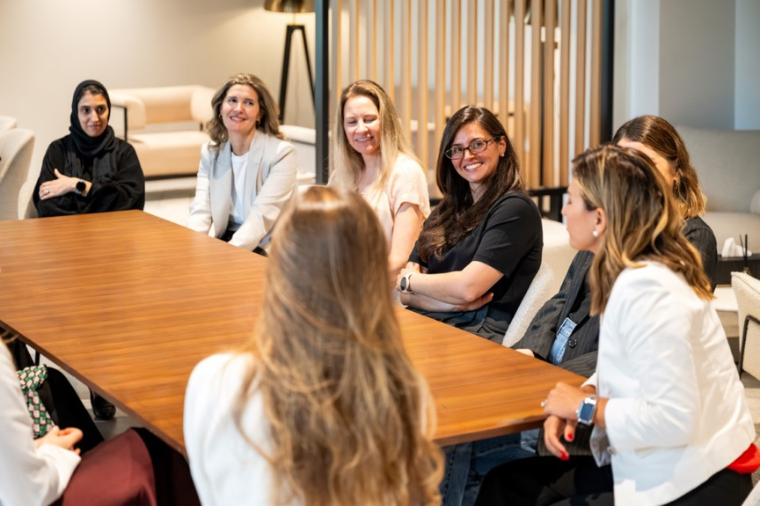
Women’s health presents a huge economic and social opportunity in global healthcare, yet significant gaps remain in research, investment, and access. In the region, initiatives like the FemTech Hub are beginning to reshape the conversation, giving space to inclusivity and forward-thinking solutions. At the helm of this movement is Maha Gorton, Head of Women’s Pavilion at Expo City Dubai. Through partnerships with organisations including Meem Foundation, American Hospital Dubai, and PeriCare, the newly launched FemTech Hub brings together science, technology, and lived experience to build a stronger ecosystem for women’s health. Building on the success of the FemTech Hackathon, where students are invited to develop solutions to real issues in women’s health, the initiative also introduces platforms such as the Her Health Summit, Her Health Majlis, and an Innovators Network, all designed to foster collaboration and long-term impact. Here, Gorton shares insights on bridging gaps in women’s healthcare and why cultural context remains central to meaningful innovation.
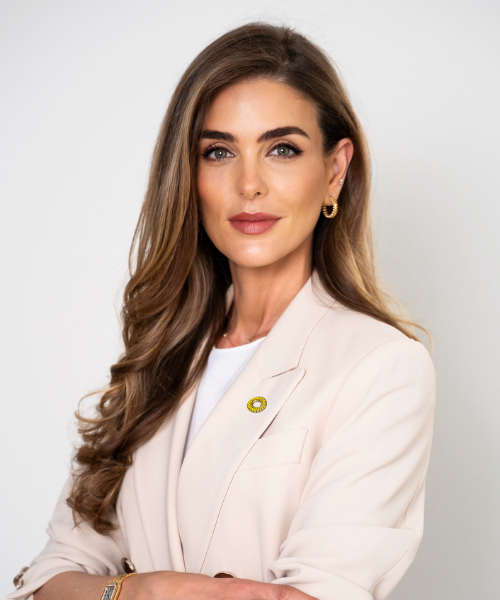
The FemTech Hub marks a significant step forward for women’s health in the region. What gap did you feel most urgently needed to be addressed when conceptualising this initiative?
How fragmented women’s health still is. It’s often treated in silos, but women experience it as a connected reality. At the same time, there’s a significant underinvestment in this space – only around five per cent of global research and development funding goes into women’s health, which is a striking gap when you consider that women make up half the population. The FemTech Hub was designed to provide a year-round ecosystem rather than a single programme, bringing together science, innovation and lived experience to create a more connected and responsive approach.
The Hub builds on the momentum of the FemTech Hackathon. What surprised you most about the ideas or perspectives young people brought to the table?
What really stood out was the quality and depth of the ideas. This came from both male and female high school students, which highlighted the power of young minds when they’re given the space, tools and support to engage with these topics meaningfully. It showed that when you open up these conversations early, young people don’t shy away from them.
The Innovators Network is particularly interesting from an entrepreneurial perspective. What opportunities do you see for startups within the FemTech space in the region?
Through the Innovators Network, we’re creating a space where startups can access the ecosystem they need to grow. That includes connections with clinicians, partners, investors and pathways to validation. It all comes back to the role of the Hub as an ecosystem, connecting ideas to real impact.
For young women in the UAE interested in STEM or healthcare innovation, what pathways or mindset shifts do you think are most important right now?
I think the biggest shift is moving from participation into ownership. The most impactful work in women’s health often sits across disciplines – not just science and technology, but also design, behaviour and social context. Young women in the UAE are already highly engaged in STEM, and we see that reflected in the number of female graduates in these fields. The next step is for them to see themselves as founders, creators and decision-makers shaping these industries.
FemTech globally is gaining momentum, but every region has its own cultural context. How do you ensure that the solutions emerging from the Hub are both innovative and culturally relevant?
For us, cultural relevance is foundational. It’s embedded into how the FemTech Hub was built – through the partners we work with, the conversations we prioritise and the formats we use. For example, the Her Health Majlis is designed as a culturally familiar space, bringing together expert insight and open conversation in a way that feels both accessible and respectful. For that to happen, it needs to resonate with women’s real lives, experiences and cultural context.
Looking ahead to the next edition of the FemTech Hackathon, how do you hope the conversation will evolve, and on a personal level, what has working on this initiative meant to you?
The first edition has opened the conversation, and now we have an opportunity to go deeper. The focus is on how ideas can move beyond concepts into solutions that can be tested, validated and potentially implemented. I would also like to see the conversation expand into areas that are still under-discussed, such as menopause, ageing and long-term health outcomes. On a personal level, the experience has been incredibly grounding and quite meaningful. Like many women, I’ve had moments where something didn’t feel right and was dismissed as normal, only to later realise that it wasn’t. That’s something we hear again and again.


