



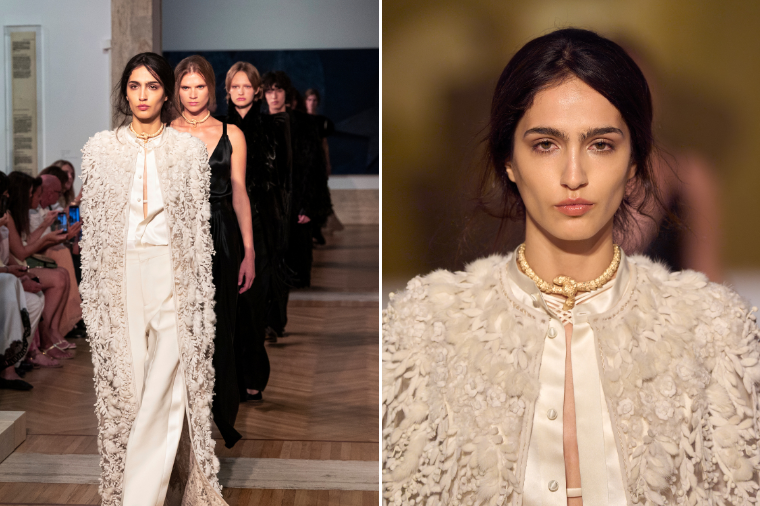
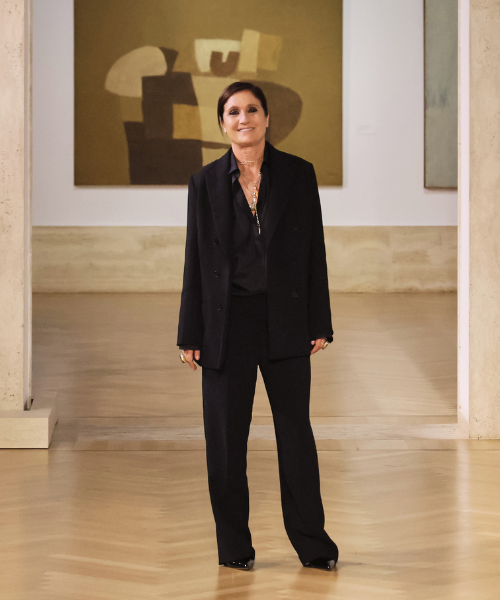
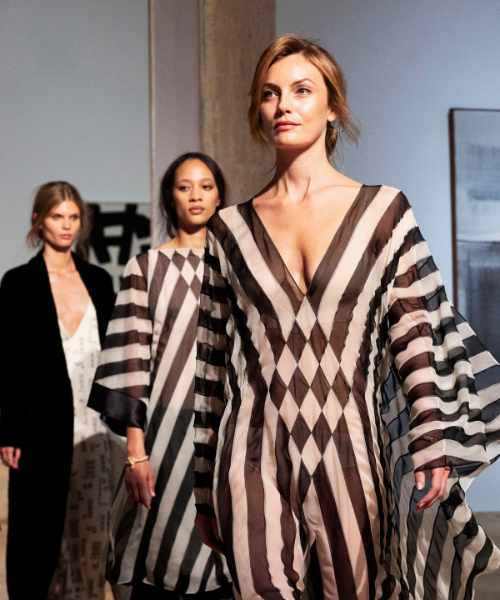
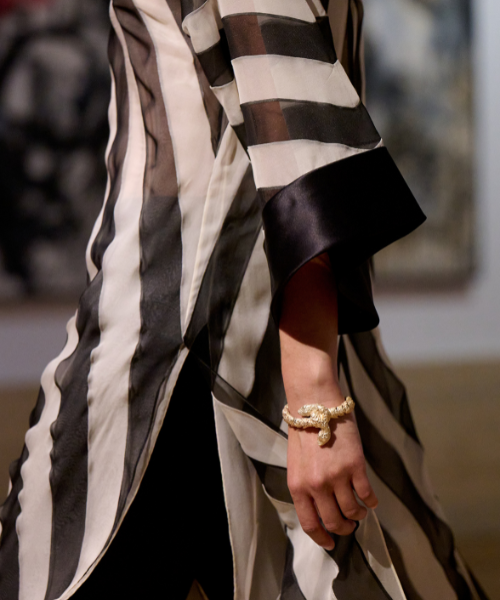
Maria Grazia Chiuri’s first Haute Couture collection for Fendi unfolded in Rome as an extended meditation on what desire looks like when it’s translated into fabric, staged at the National Gallery of Modern and Contemporary Art in a setting that let the clothes carry the weight of the idea rather than the room around them. A short film opened proceedings before the collection itself took over, both built around a chiffon tunic striped in black and white, an image that traced back to a photograph of Emilie Flöge, the Austrian designer and longtime muse of Gustav Klimt, tucked into the mood board that shaped the entire project.
The Klimt reference turned out to carry more weight than a passing visual nod, since Chiuri used it to draw a direct line to Karl Lagerfeld’s own fascination with the Vienna Secession, framing the couture debut as an attempt to surface the design language he shared with the Fendi sisters across decades of collaboration. The connection extends beyond the runway too, with the National Gallery opening an exhibition dedicated to Fendi and Lagerfeld’s 1985 work together, conceived by Chiuri herself and running through late October.
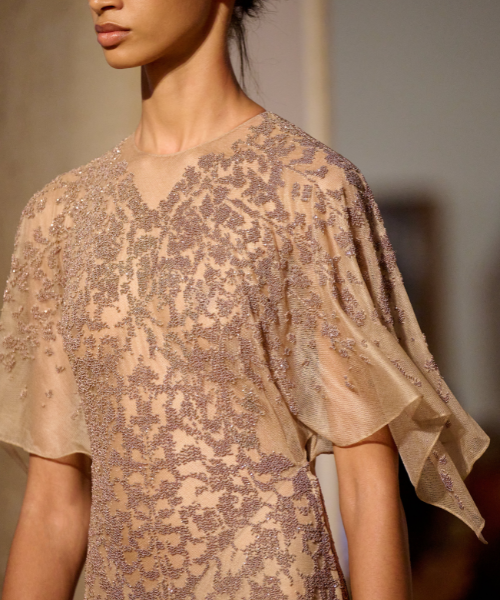
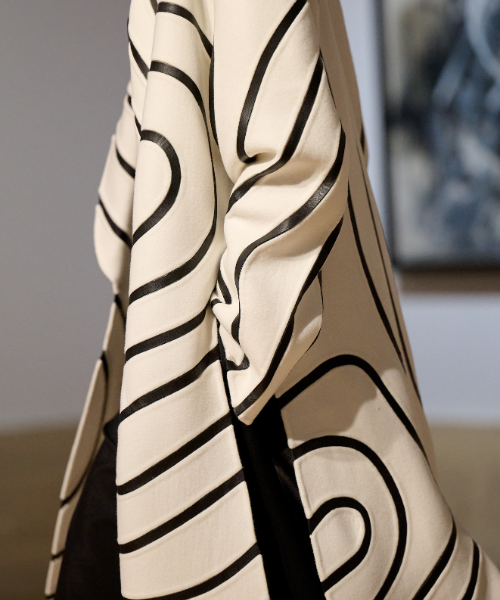
Fluidity became the collection’s clearest signature, showing up in tunics, kimono-inspired jackets, coats, and dressing gowns reworked into couture pieces, each one built to move rather than hold its shape, suggesting a kind of dressing that leaves room for whoever is wearing it to decide who they want to be that day. The menswear ran in parallel with a more structured hand, though Chiuri was careful to frame the sharper tailoring as an expression of ease rather than restriction.
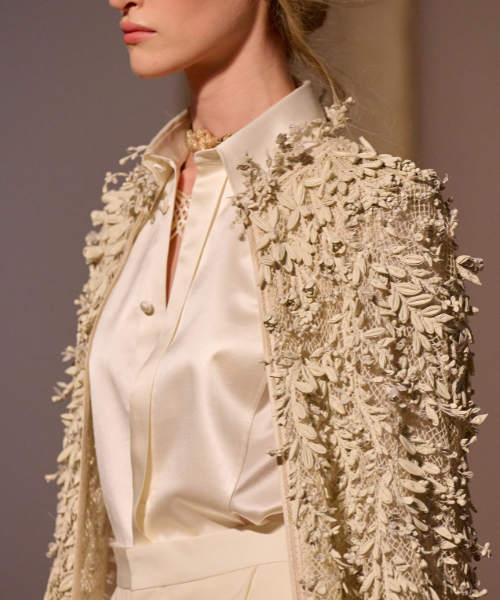
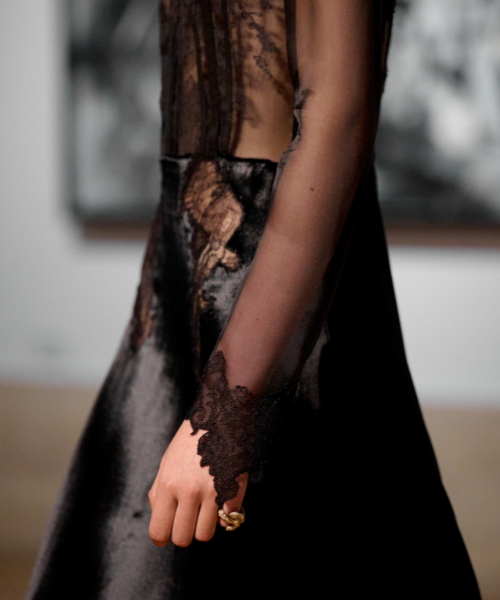
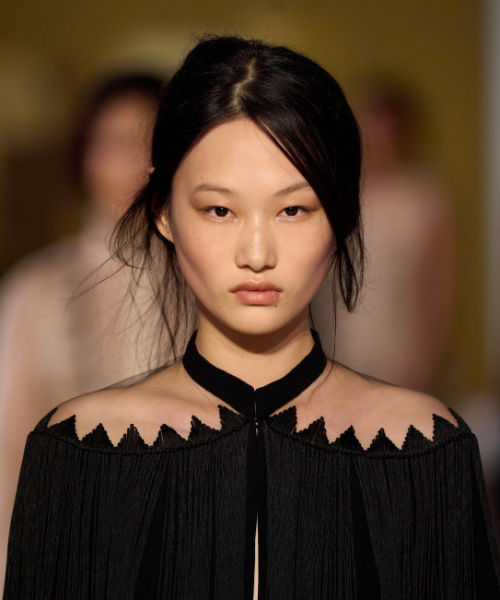
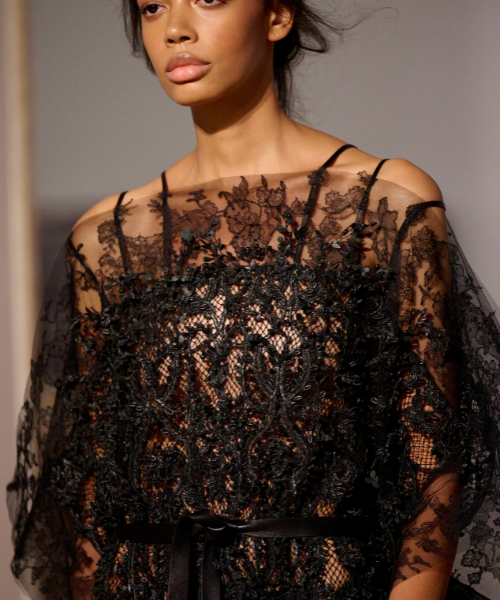
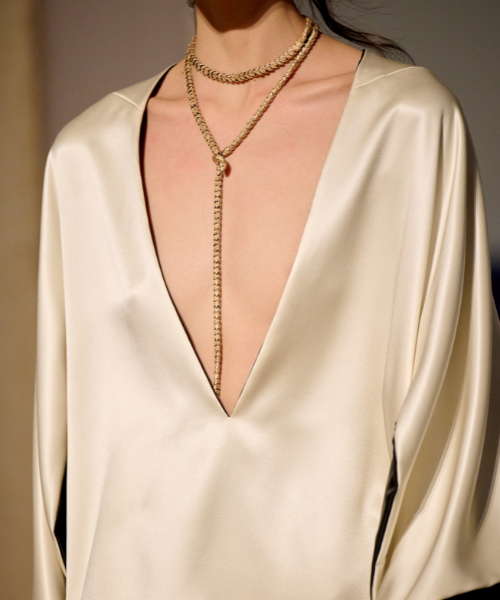
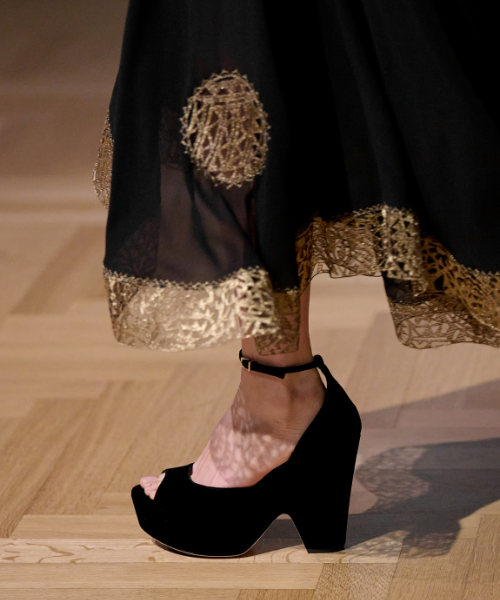
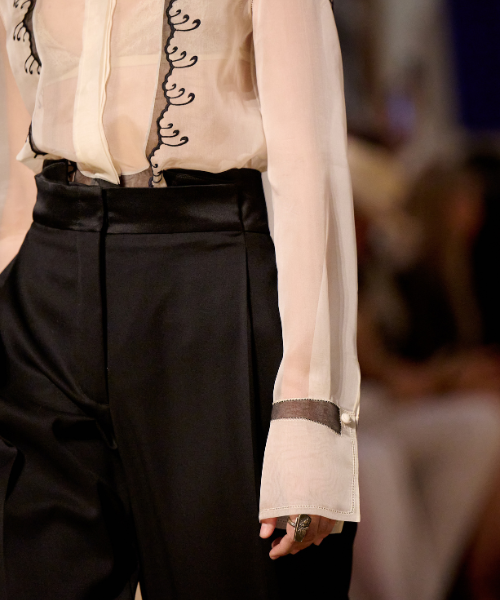
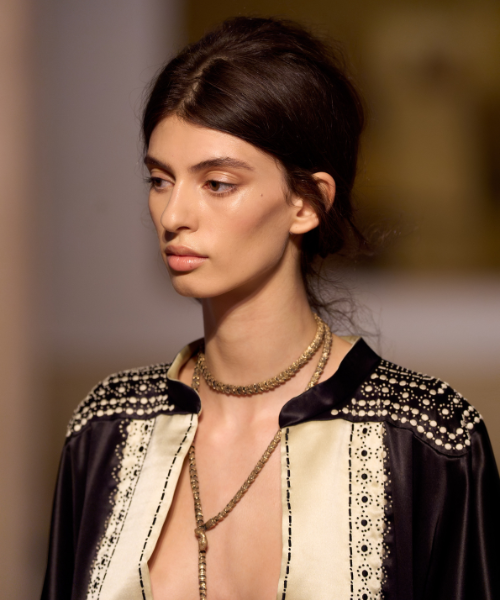
A tightly held black-and-white palette ran through nearly every look, offering just enough restraint to let the fluid shapes and the sensual undertones do the talking, with sheer fabrics, leather glimpses, deep necklines, and thigh-high slits threading through the collection alongside more intimate references like lingerie-inspired shorts elevated into eveningwear. The overall effect landed somewhere between restraint and exposure, built around a kind of desire that Chiuri described as free of anything indecent, more curious than provocative.
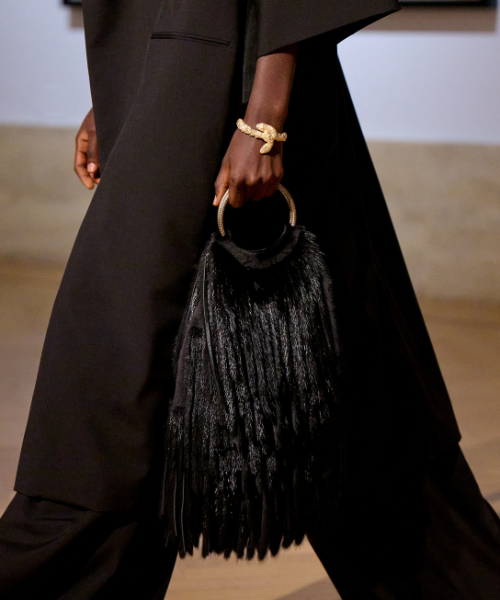
Bringing the collection together required Fendi’s various ateliers, spanning fur, leather, and both light and heavy fabrics, to work in close conversation with each other, a process Chiuri pointed to as one of the more rewarding parts of stepping into couture for the house, since each department’s specific expertise fed directly into the final silhouettes on the runway.


– For more on luxury lifestyle, news, fashion and beauty follow Emirates Woman on Facebook and Instagram
Images: Supplied & Feature Image: Supplied


