



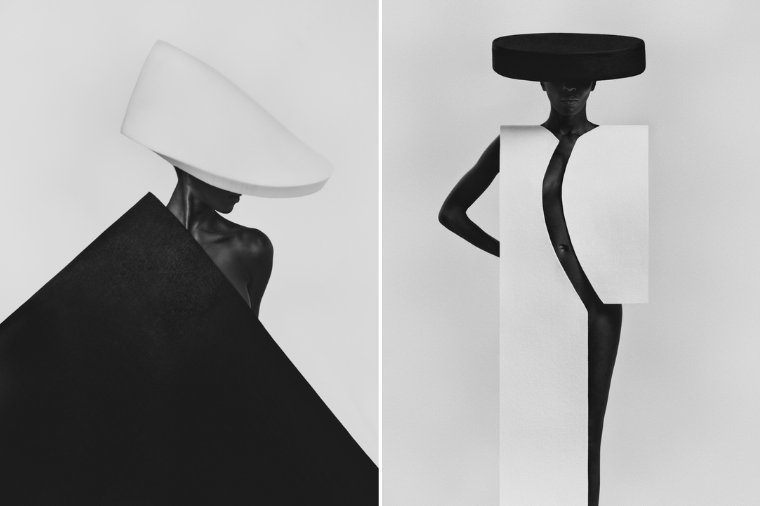
Dutch photographer Bastiaan Woudt’s work is unmistakable. Stark and striking, the allure of his images comes from how he pares back a visual narrative to its essential beauty. Now, with COLLECTIONAL, Dubai’s highly regarded collectible design gallery and platform representing him across the GCC, Woudt’s distinctive vision is finally coming to the region. Better yet, he is preparing to embark on a multi-year artistic exploration of the Middle East. Capturing its spirit, architecture, and traditions through the distilled purity of his beloved black and white.
Woudt’s unique visual style has seen his work featured in renowned venues like the Rijksmuseum, the Getty, and galleries from Zurich to Los Angeles. But it is perhaps this new exploration of the Middle East that will dovetail best with his visual aesthetic. It feels like a natural convergence: an artist devoted to the purity of contrast arriving in a part of the world where light, architecture, and cultural dualities create their own rhythm of shadow and illumination. “Working with COLLECTIONAL, who are doing incredible things in the region, is an extra motivation to start exploring the opportunities that lie ahead in the Middle East,” Woudt confirms.
The photographer admits that his first trip to Dubai left an imprint strong enough to draw him back with purpose. “I loved it,” he confesses with a kind of surprised delight. “I love the vibe. I love the mentality and the mindset. And the architecture, it’s amazing.”
For an artist whose eye is trained to strip away noise, who believes that reducing an image to its essence reveals its truth, the region’s interplay of innovation and tradition feels instantly compelling. So it is no wonder that his next major multi-year art project will be shaped by the Middle East, culminating eventually in a book. “I just want to make this dream-like world, but have it very much influenced by the Middle East,” he says. “With all the respect for the traditions and cultures, making this magical new project.”
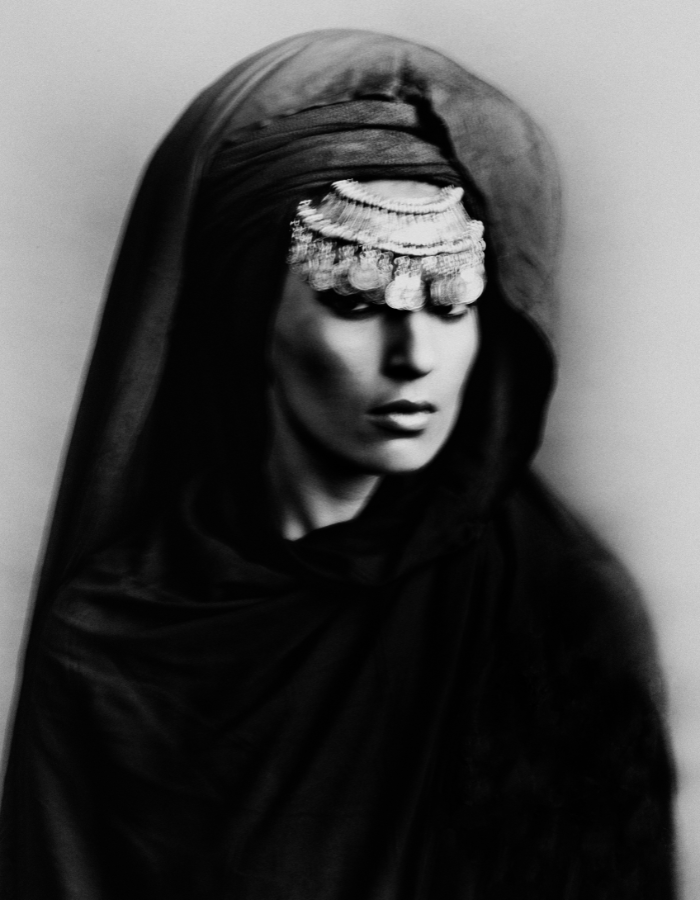
To understand why Woudt’s arrival in the region matters, it’s crucial to understand what black and white means to him. It is not an aesthetic choice so much as a philosophical one. “If you take away colour, then what you end up with is lines and textures and character,” he explains. “Taking away the colour is taking away a bit of reality, and I’m not documenting the world. I’m making art.”
In his hands, monochrome becomes a language of precision and an attempt to reveal something unspoken about a subject, liberated from the distractions of colour.
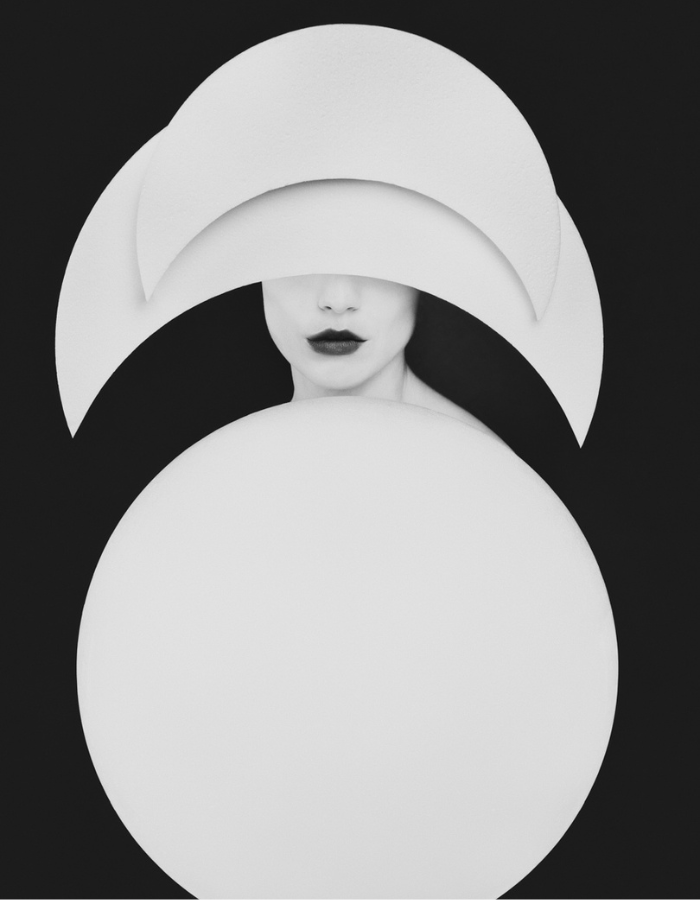
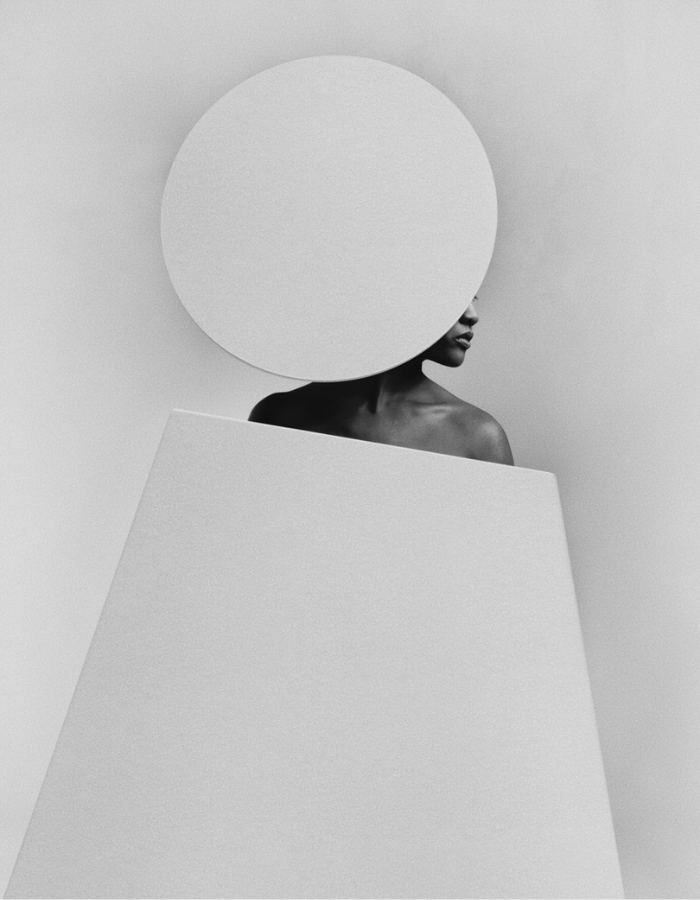
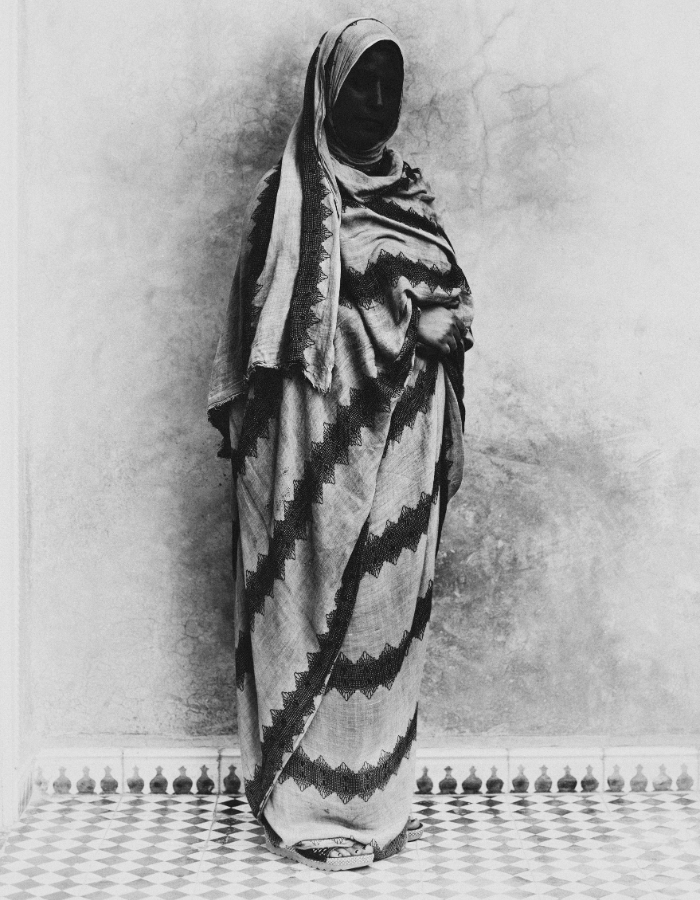
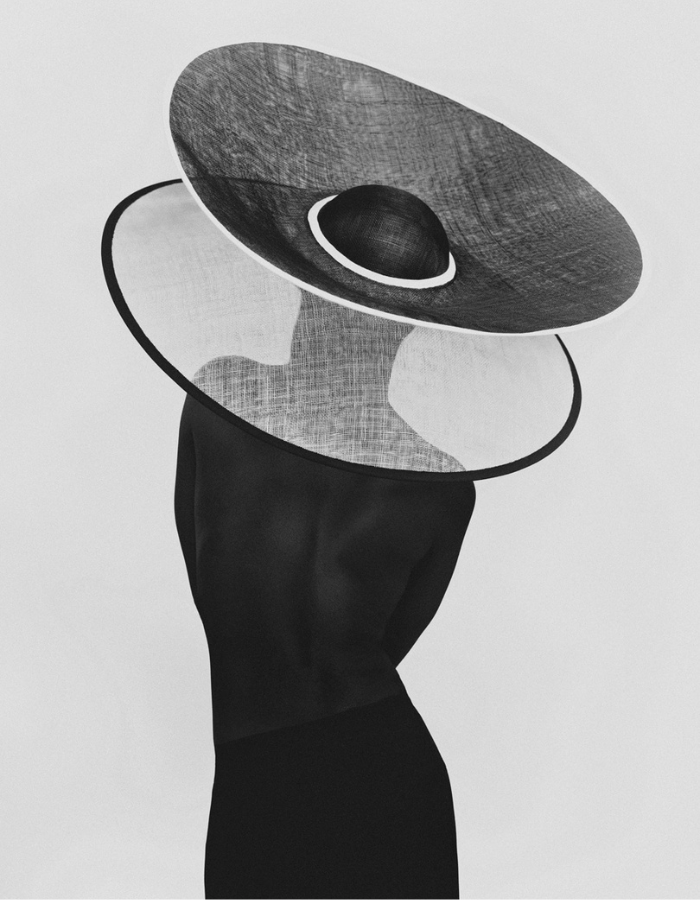
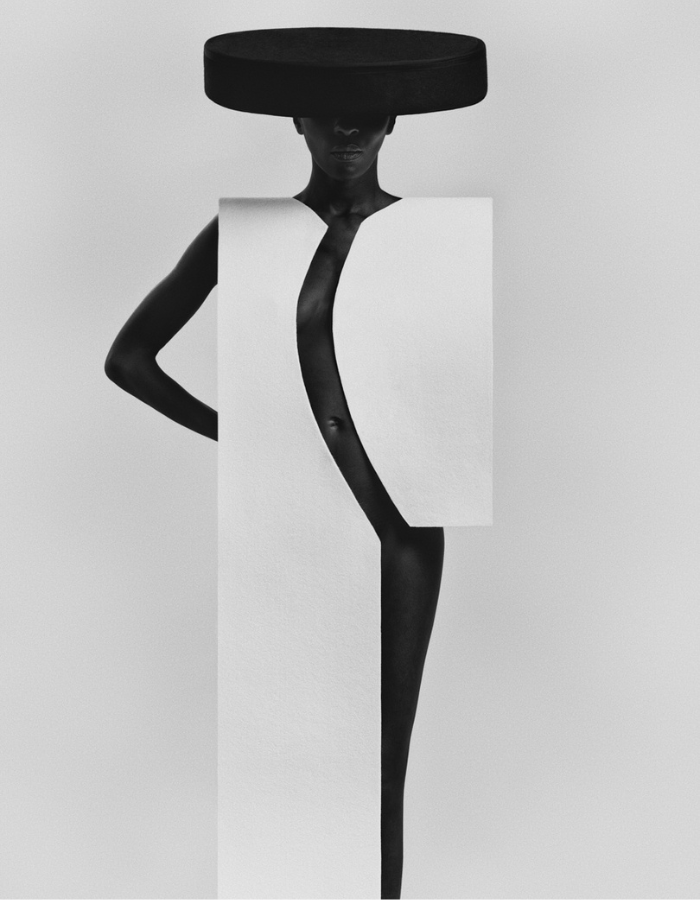
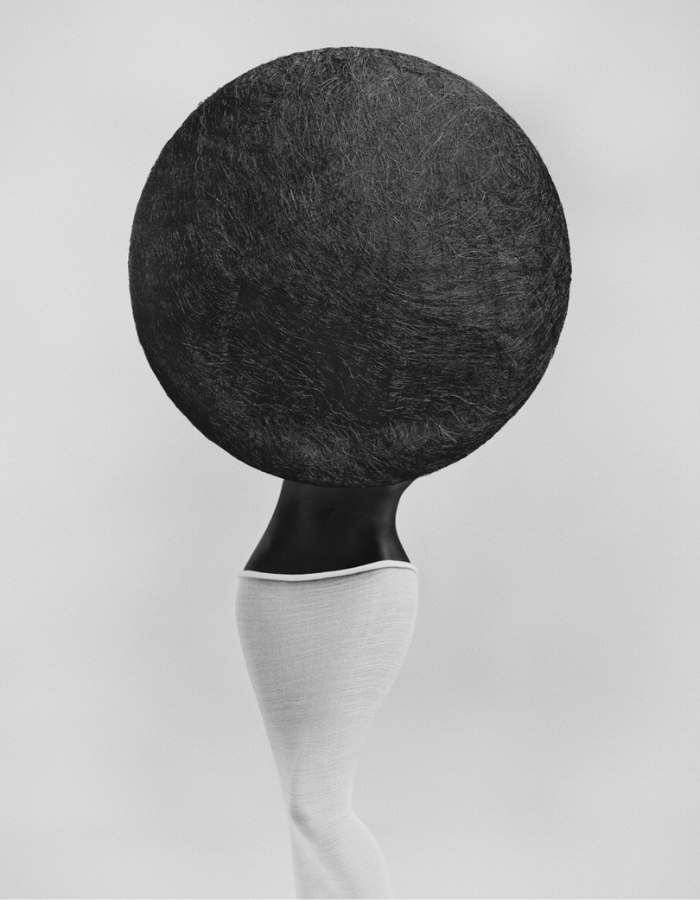


His images, whether portraits, landscapes, or abstractions, feel both timeless and startlingly modern, echoing the purity of Richard Avedon or Irving Penn while existing entirely in the present. It is almost impossible to imagine that he only began photographing in earnest just over a decade ago and that the catalyst was something both deeply personal and also universally relatable: the birth of his first child. “I fell in love with photography,” he says about how the notion to pick up a camera to document the arrival and childhood of his son turned into something more profound.
That ‘new father’ obsession to chronicle each childhood milestone quickly transformed into creation. Woudt remembers clearly the moment his artistic voice snapped into focus, a studio portrait he shot of a young man named Carlos, produced through experimentation rather than intention, which to date is one of his most reconisable images. “I remember that I was like, ‘Okay, let’s manipulate this image so it becomes something a little bit more interesting, more mysterious’. So I asked him to turn his head back and forth, and I just photographed him with slow shutter speed. And then it became a blur and one of those images was just so perfect,” he recalls. “I think that’s the moment where I found my sweet spot.”
From that point, black and white photography was no longer just a technique; it was a calling.
But his chosen colour palette isn’t the only thing that sets Woudt apart. Without any formal photography training or academic constraints, he developed a style by trusting instinct. “YouTube was my mentor,” he says with a smile about how he onboarded the basics of photography. He learned by observing, imitating, experimenting, and eventually discarding anything that felt inauthentic. “If you don’t have a background in art history or these kinds of education, it’s so much more pure. You really make the things that interest you.”
This purity extends into his process. His studio is a place of movement, music, and intuition. Techno, his editing soundtrack of choice, drives the rhythm of his post-production. “Techno is constantly playing when I’m editing,” he admits, adding “I’ve been DJing for over 25 years.” And on set, energy also profoundly matters to the photographer. So does comfort. “If the model is feeling really comfortable, they will give me the best performance,” he explains, adding “I like bustling energy on set.”
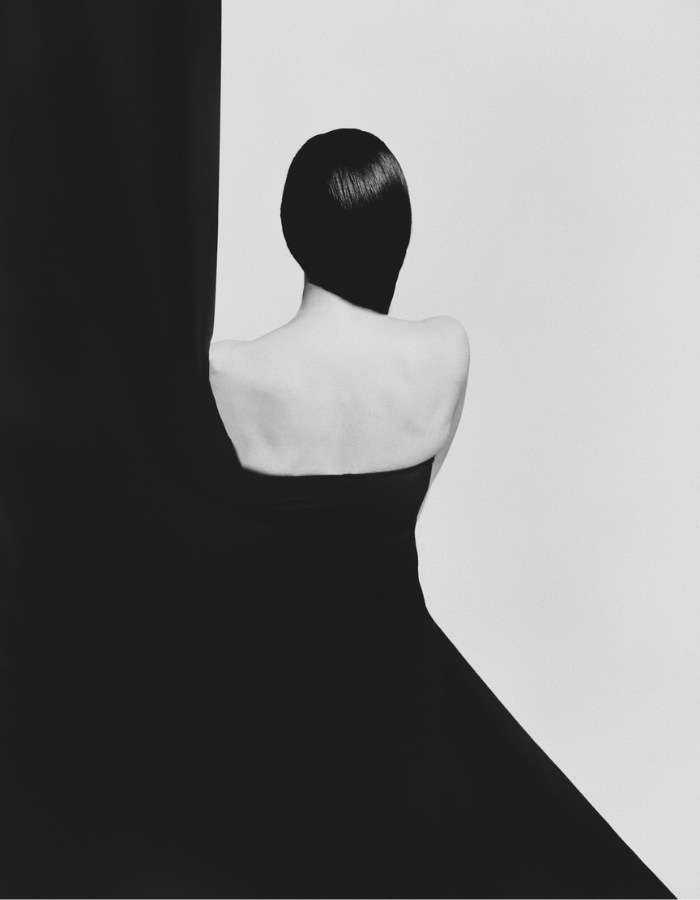
The collaborative nature of photography is also something that calls to Woudt. That unquantifiable tension between direction and surrender. It’s a tension that becomes even more pronounced in his commercial assignments for brands like Dior. Many artists brace against the push and pull of commerce; but Woudt seems to thrive in this space. “I really love doing commissioned work, because for me, I am coming to it from the world of art, not the other way around. They come to me because they like my art and as long as they give me the creative freedom to do it, then I love these projects.” Working with top-tier teams is another reason he loves exploring commercial commissions. “Working with great teams is the number one benefit,” he shares. “I get to collaborate with some of the top creatives working today. Because for me, the creation of these pieces is not a single thing. It’s not a single person. It’s something you create with a whole team.”
Woudt’s entrepreneurial instinct, another defining contrast against the quiet purity of his images, also led him to found 1605 Collective, his publishing house and creative platform. What began as a frustration with traditional book publishing has evolved into a multi-faceted creative ecosystem of books, magazines, collaborations, and even product design. “It’s literally a playground of anything I like to do,” he says.
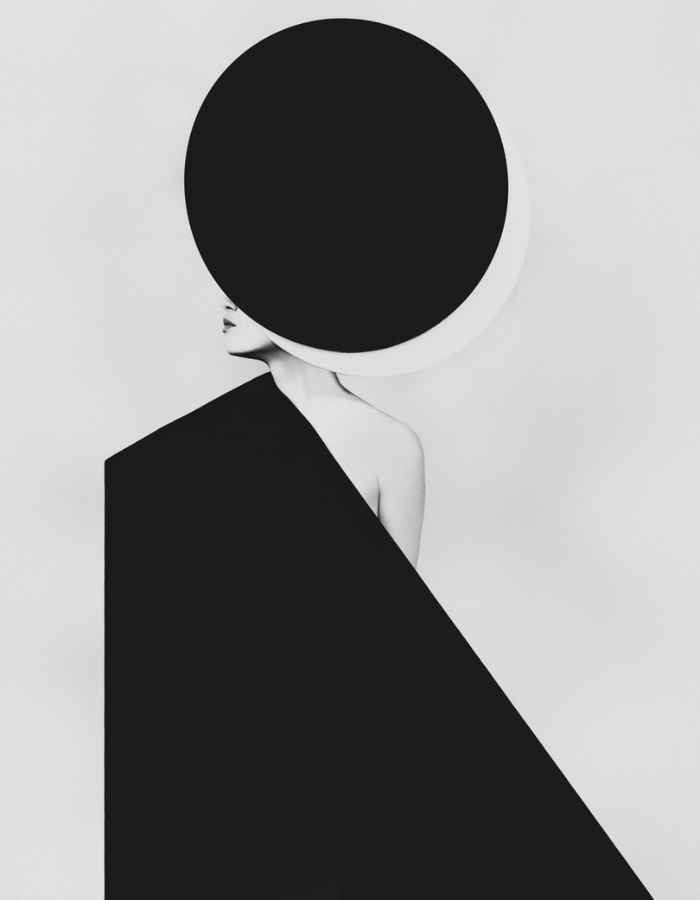
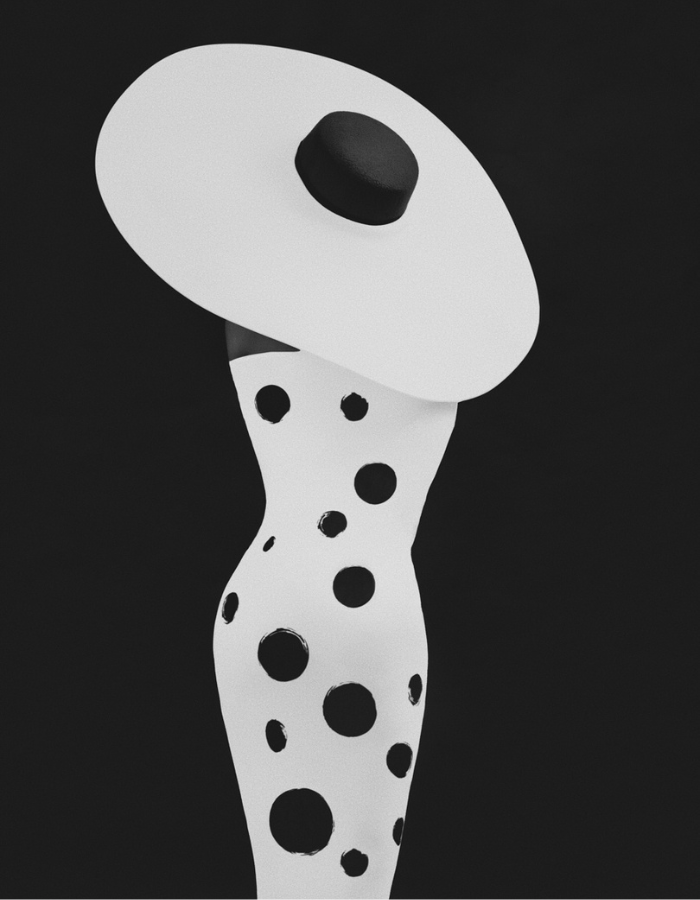
And then there is Echo From Beyond, his experimental AI-based project that has already sparked fascination in Europe. “For the first time, I felt like a painter with a blank canvas,” he says. “Photography is always photographing the world outside of me, but never the world that lives inside of me,” he says about what AI is offering him creatively. These works, printed as one-of-one pieces on Japanese paper, extend his fascination with contrast into a new dimension, the interplay between technology and tradition.
But even as he explores the edges of digital imagination, Woudt’s creative compass currently points firmly toward the Middle East. “I do these projects once in a while… Nepal, Morocco, Zambia, Japan,” he says. “And now I know the Middle East is the next thing that I’m going to photograph.”
There is an elegance in this convergence: a region defined by bold contrasts becoming the canvas for an artist who has built his career on finding clarity within them. As Woudt begins this new chapter, it’s a smart bet to believe that his work here will not simply depict the Middle East, it will reflect it back in its purest form, revealed in shadows, light, and all the spaces in between.
Explore more on www.bastiaanwoudt.com and @bastiaanwoudt and discover the series on www.thecollectional.com
– For more on how to look smart and live smarter, follow Emirates Man on Facebook and Instagram
Images: Supplied


