




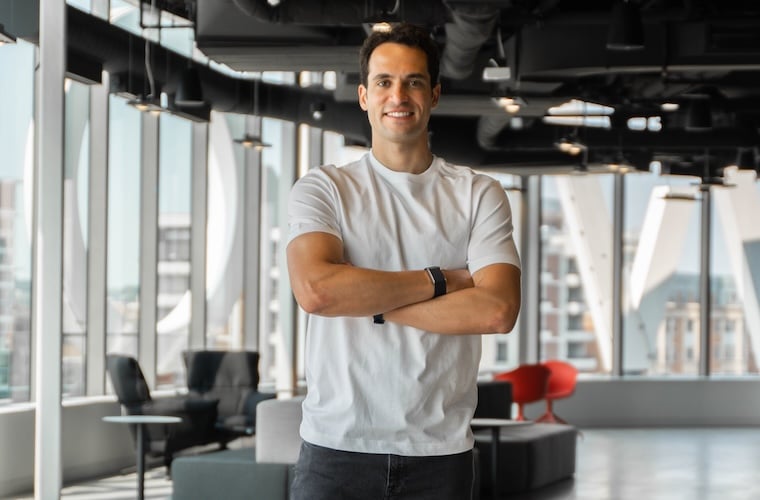
Will Ahmed, the Founder and CEO of WHOOP, speaks with the ease of someone who already has all the answers. His sentences are measured, and his words are practical, much like the white-hot product he built. As he begins to talk about WHOOP – a sleek health and fitness-focused wearable device sported on the wrist – there’s no corporate gloss or tech jargon, just a steadfast sense of purpose that has guided him since his university days when he started the brand.
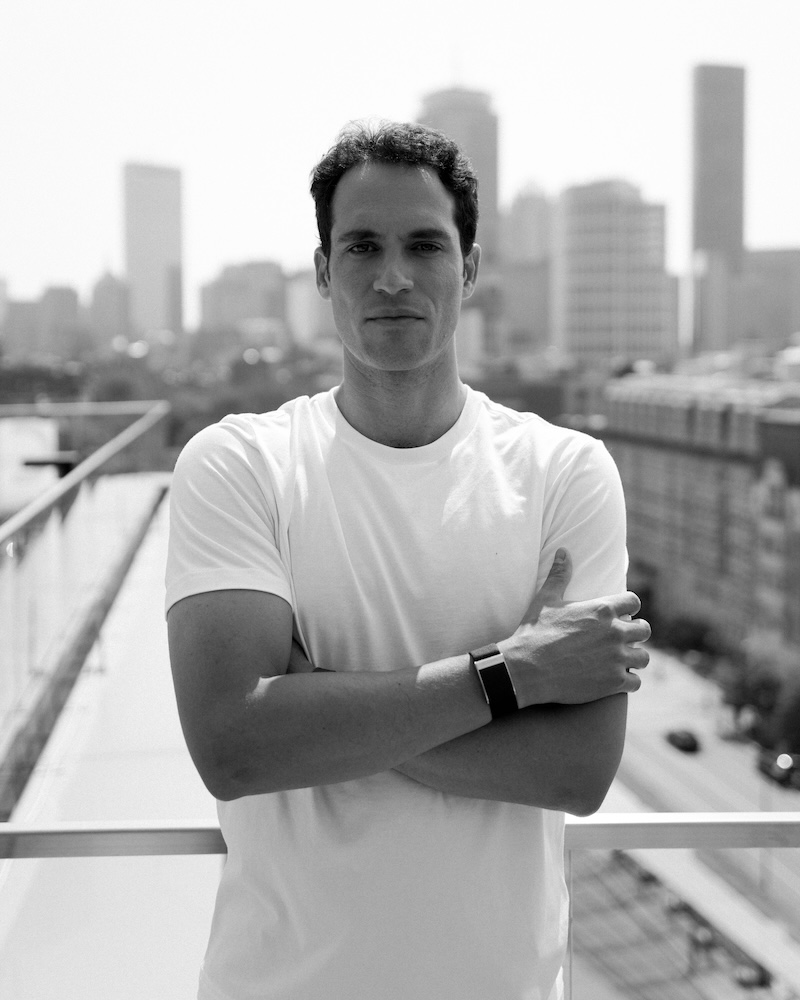
Will Ahmed, Founder and CEO of WHOOP
“I developed WHOOP while I was a student at Harvard. I was 20, playing squash on the team, and I felt like I didn’t know what I was doing to my body while training,” he recalls. “I got interested in what you could do to train optimally.” This curiosity grew into research, which led to an idea: a wearable that could decode recovery, sleep, and stress in a way that didn’t feel invasive or overcomplicated. Back then, fitness technology that measured the body was either too bulky or too medical – built for data and not for design. Ahmed wanted both and something that would integrate seamlessly with daily life.
That idea is the rocket fuel that has propelled WHOOP to become one of the most quietly influential wearables in the health technology space. It has already been spotted on the wrist of some of the world’s most elite athletes like Cristiano Ronaldo, LeBron James, Michael Phelps, Virat Kohli, Rory McIlroy, and Patrick Mahomes. “We wanted people to be able to wear WHOOP 24/7,” recounts Ahmed. “So how we thought about the design, the hardware, the materials, the battery life – all of it came back to 24/7-wear.”
View this post on Instagram
The founder was determined that his WHOOP wearables would measure life without interrupting it. A fundamental tenet that led to the bold choice to keep the device screenless. It’s a move that is also perfectly in keeping with the growing quiet luxury trend in the fitness space. “If we put a screen on the product, it might actually make it less likely for you to want to wear it while sleeping, or when you’re already wearing another watch,” he explains.
This subtle yet strong approach has also shaped the latest iteration of the wearable. WHOOP 5.0 and its medical-grade counterpart, WHOOP MG, are both smaller and more refined versions of their predecessors and feature ECG monitoring, AFib detection, blood pressure insights and count a two-week battery life. “I like the idea of WHOOP being a tool designed to improve your life, not invade it,” Ahmed says.
“I like the idea of WHOOP being a tool designed to improve your life, not invade it”
Since its launch in 2012, WHOOP’s trajectory has been defined not by hype but by a steady momentum of growth. The key to scaling successfully? Innovation in product development, intelligent partnerships, and an ability to translate data with meaning. For Ahmed, this is about refinement more than reinvention. “We’ve continued to innovate on the original vision of WHOOP and to add more functionality,” he says. One of the latest features, WHOOP Age, gives members insight into how their biological age compares to their actual age – a subtle but meaningful way to measure longevity and recovery. “I think that’s what our members value the most,” he adds, “that continued innovation.” Ahmed, not surprisingly, talks about data as though it were part of everyday language. “One benefit to WHOOP is that the data is there when you’re looking for it, but it’s not present all the time. If you don’t open your phone, you’re not going to see it,” he says. For WHOOP, information is tiered: a quick glance gives an overview of red, yellow, and green for recovery, while a deeper dive reveals the full spectrum of sleep, heart rate, and respiratory insights. The aim is to give users a complete overview of how the body performs over time in one integrated system, without leaving users with data fatigue. “Depending on whether you have three seconds or ten minutes, and you just want a summary, there’s a layering to it,” shares the founder.
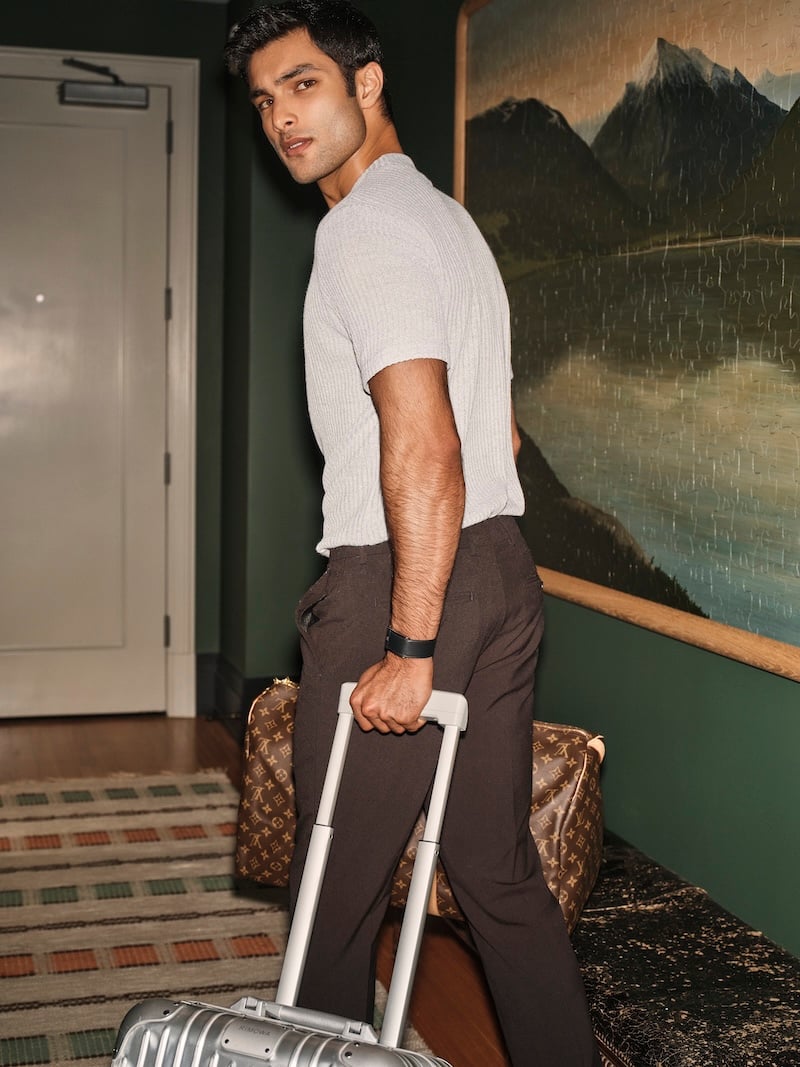
As a young founder of a tech company, Ahmed unpacks what he has learned about what it takes to be a leader, drawing a line between starting, scaling, and sustaining. “A founder is someone with an idea who can galvanise people,” he says. “A CEO is someone who can take that spark and keep the flame alive for a long time.” He pauses. “I think I’m equally both. It’s an advantage if you can be a Founder and a CEO, because you can balance what it took to start the company with what it takes to elevate it.”
And what about Ahmed’s own health routines and how WHOOP has shaped them?
He meditates every morning, exercises most days, alternates between sauna and cold plunge, and eats three proper meals. “I don’t really snack,” he says. “I drink a lot of water, coffee twice a day – that’s what I run on,” he confesses. But his consistency reflects the product’s ethos: small, deliberate habits that add up to lasting performance. It’s that same steadiness which has carried WHOOP from a college experiment to a global company shaping how people understand recovery and health. And while the world is full of devices chasing our attention, Ahmed has built one that asks for none – and that might be its most radical feature of all.
Emirates Man’s The Winter 2025 Issue – Download Now
– For more on how to look smart and live smarter, follow Emirates Man on Facebook and Instagram
Images: Supplied


